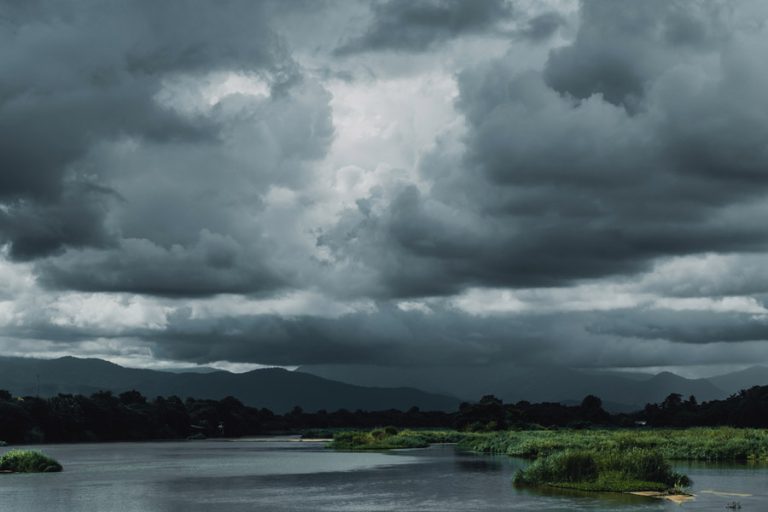

The India Meteorological Department (IMD) announced on Monday that the southwest monsoon is likely to arrive in the sub-Himalayan districts of West Bengal, including Darjeeling, Kalimpong, and Jalpaiguri, within the next three to four days. This expected arrival occurs after the usual entry date of June 6, indicating a slight delay in the monsoon’s progression into this vital region.
Several northern districts are already experiencing pre-monsoon rain. The IMD anticipates heavy downpours over the next few days, particularly in the sub-Himalayan areas. Residents can expect enhancement in rain activity after a humid spell, which persists in southern Bengal despite intermittent showers.
According to the latest bulletin by the IMD, conditions appear conducive for the advancement of the monsoon into some parts of sub-Himalayan West Bengal soon. Heavy rainfall is likely to impact districts such as Darjeeling, Kalimpong, Jalpaiguri, Alipurduar, and Cooch Behar over the next two days. This significant weather event could bring much-needed relief to the region, which relies heavily on monsoonal rains for agriculture and water supply.
The IMD forecast highlights that light to moderate rains are also expected in the southern districts over the following days. Over the past 24 hours leading up to 8.30 am on Monday, Alipurduar recorded the highest rainfall in the state at 133 mm, showcasing the region’s readiness for the incoming monsoon.
Jalpaiguri received 53 mm, while Cooch Behar recorded 18 mm, Darjeeling 7.8 mm, and Kalimpong experienced 19 mm of rainfall. This rain prepares the ground for the anticipated heavy downpours and underscores the importance of the monsoon for the agricultural sector.
Experts emphasize that timely and adequate rainfall plays a crucial role in supporting crop yields, especially in regions dependent on rain-fed agriculture. With the monsoon on the horizon, farmers eagerly await improved weather conditions that could boost rice and tea production, vital to West Bengal’s economy.
The onset of the monsoon is not just significant for farmers but also for local water reservoirs that face challenges during the dry season. The arrival of this weather system can result in improved supplies, ensuring water access for both drinking and irrigation purposes.
In contrast to the expected heavy rains in the north, southern districts will likely experience milder conditions. Continuous monitoring and updates from the IMD will keep citizens informed about any changes in the weather patterns. As rain begins to drench the land, the communities look forward to celebrating the arrival of the monsoon, which brings both joy and the promise of prosperity.