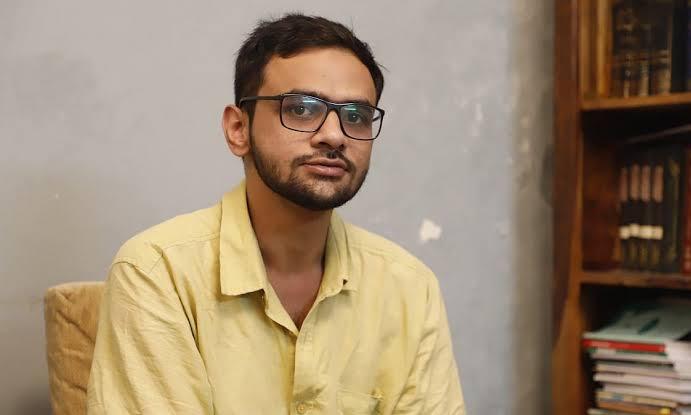
The Delhi High Court has turned its attention to the bail plea of activist Umar Khalid under the Unlawful Activities (Prevention) Act (UAPA) concerning allegations linked to the larger conspiracy behind the February 2020 riots in north-east Delhi. On Friday, a bench of Justices Prathiba M Singh and Vikas Mahajan instructed the Delhi Police to respond within two weeks.
Khalid’s latest request marks his third application for bail since authorities arrested him in September 2020. His counsel has also sought interim bail amidst ongoing proceedings that have drawn widespread public and media interest.
During the court session, the judges scheduled a hearing for Khalid’s plea on August 27, coinciding with the consideration of co-accused Sharjeel Imam‘s bail application. Khalid has contested the July 4 decision of a trial court, which had denied his previous bail request. The bench’s decision to address both cases together indicates the judiciary’s approach to a complex legal landscape.
Additional Solicitor General S V Raju, representing the Delhi Police, noted that Imam’s bail plea also faced rejection under the same trial court order. The legal strategies of both Khalid and Imam have drawn attention due to their implications for free speech and dissent in India, especially amid protests surrounding controversial laws.
The riots in February 2020, which led to 53 fatalities and over 700 injuries, erupted during protests against the Citizenship (Amendment) Act (CAA) and the proposed National Register of Citizens (NRC). Khalid, as one of the alleged masterminds, has become a rallying point for discussions around civil rights and state repression.
In a statement regarding the July trial court ruling, the judges emphasized that they had “no option but to follow” a prior Supreme Court order from January, which limited their room to grant relief based on the allegations and evidence against Khalid. The court’s decision reaffirmed the idea that legal frameworks must also consider the broader social context in which such cases arise.
On September 2, 2025, the high court division rejected Khalid’s bail once more. The Supreme Court upheld this verdict, highlighting the substantive evidence against him, while granting bail to co-accused including Gulfisha Fatima and Meeran Haider, demonstrating discrepancies in the severity of charges among the defendants.
The judiciary emphasized the existence of a prima facie case against both Khalid and Imam under UAPA. Justice Aravind Kumar and Justice N V Anjaria stated that the differences in participation patterns among the accused would not allow for equal treatment under the law. This situation serves as a reminder of the controversial nature of the UAPA, often critiqued for potentially infringing upon civil liberties.
As the case progresses, the attention on Khalid’s bail plea continues to escalate. Legal experts and activists consider this a pivotal moment in the ongoing discourse about the balance between national security and individual freedoms. The outcomes will be closely observed not only for their legal implications but also for their societal impact during these turbulent times.