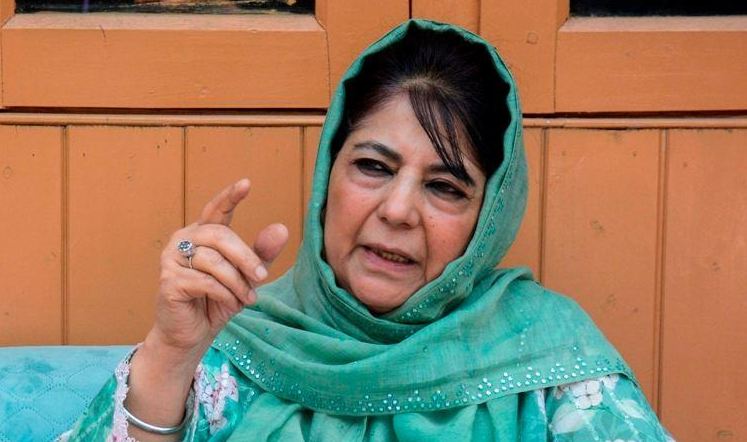
On October 5, 2023, Peoples Democratic Party (PDP) chief Mehbooba Mufti passionately responded to Prime Minister Narendra Modi‘s recent comments regarding youth and forgiveness. In a video shared on X, PM Modi addressed the need to forgive students who expressed frustration during a protest at Jantar Mantar. Mufti, however, articulated a stark contrast between two distinct generations of youth in India.
Mufti stated that one segment of Generation Z enjoys inherited opportunities while the youth in Kashmir endure inherited challenges, including trauma and curfews. “Hon’ble PM @narendramodi, there are two Gen Zs in India. One inherited opportunity; the other, in Kashmir, inherited curfews, crackdowns, internet shutdowns, lost classrooms, unemployment and trauma,” she articulated.
She expressed that the youth of Kashmir are not seeking sympathy or charity but demand dignity and equal opportunity. “Kashmiri youth seek neither sympathy nor charity, only dignity, equal opportunity, political space, and the freedom to dream without fear. If compassion is to define India’s future, let it begin with Kashmir,” Mufti added.
This poignant comment comes at a time when various social and political leaders have been focusing on youth empowerment and encouraging a more inclusive approach towards the aspirations of Kashmir’s youth. The stark realities faced by young people in Kashmir, including prolonged military presence and socio-economic instability, remain frequent topics in public discussions.
As debates about national unity and equity continue, Mufti’s remarks shine a light on the pressing need for understanding and addressing the aspirations of all youths in India. By highlighting these differing realities, she calls upon leaders to recognize the inherent inequalities and work towards creating a more equitable landscape for the nation’s younger generations.
Experts emphasize that addressing the discrepancies faced by Kashmir’s youth is critical for the long-term peace and development of the entire region. Analysts suggest that policies focused on education, job creation, and political inclusion could significantly enhance the quality of life for Kashmiri youngsters.
The conversation around Prime Minister Modi’s appeal for forgiveness raises concerns about how youth express their frustrations and how authorities handle such expressions of dissent. The implications of these public discourses resonate beyond northern India and touch upon the core principles of youth engagement in democracy.
Ultimately, ongoing discussions surrounding youth empowerment, particularly in regions like Kashmir, demand urgent attention from the central government and political leaders. Only by fostering an environment of genuine opportunity and dialogue can India hope to unify the aspirations of all its youth and build a brighter future.