
The Congress party has reiterated its commitment to resist attempts to widen the scope of post-facto environmental clearances, affirming its dedication to uphold the integrity of environmental law. This announcement came on Thursday after a crucial ruling from the Supreme Court that invalidated a controversial 2021 office memorandum.
The apex court emphasized that protective environmental checks must not be compromised by mere administrative decisions. The court’s ruling targeted the memorandum that permitted retrospective environmental clearances for projects initiated without prior approvals.
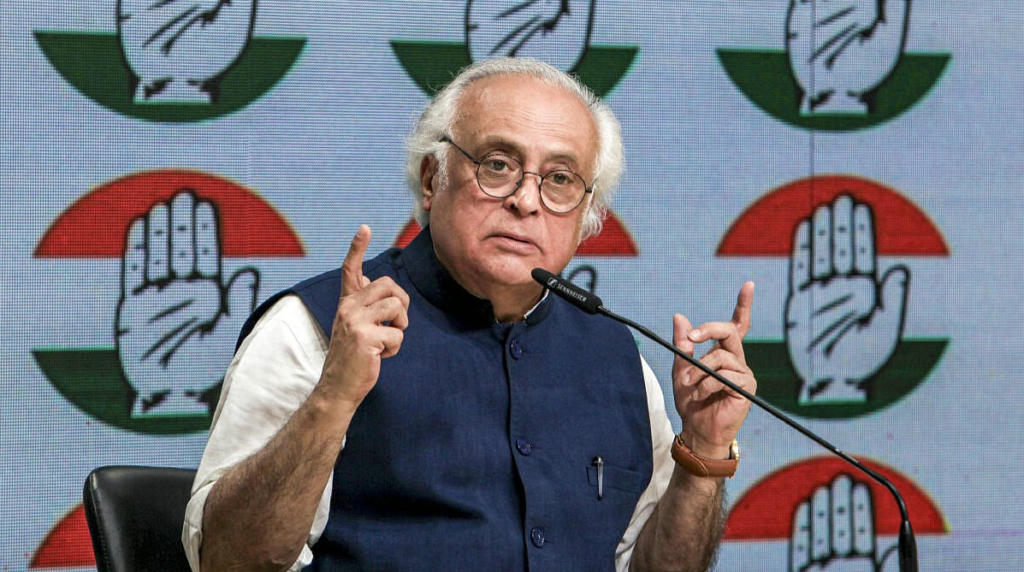
Jairam Ramesh, Congress leader and former environment minister, highlighted that a two-judge bench of the Supreme Court had previously ruled in May 2025 that obtaining prior environmental clearances is essential. He stated that post-facto approvals dilute the Environmental Impact Assessment (EIA) process and violate the principles of sustainable development.
In a passionate statement on social media platform X, Ramesh noted, “The Union Government sought a review. It argued that the judgment would disrupt projects worth crores that had already commenced without prior clearance.”
Furthermore, he criticized the Supreme Court for permitting a review of its earlier judgment without sufficient justification. Justice Ujjal Bhuyan described post-facto environmental clearances as an “anathema” to environmental jurisprudence, affirming the necessity for strong compliance with statutory EIA laws.
The Congress general secretary characterized the recent ruling as progressive. He opined, “The Supreme Court’s judgment is a step in the right direction, emphasizing that administrative orders cannot override statutory requirements.”
However, Ramesh raised concerns about provisions allowing the government to create a statutory mechanism for post-facto environmental clearances in “exceptional circumstances.” He noted that such definitions allow the government considerable leeway.
Highlighting widespread community resistance to environmental regulations, Ramesh said, “From Great Nicobar to the Ken-Betwa project, there is a pattern where governments and corporations treat environmental compliance as an inconvenience.”
He stressed the importance of protecting India’s environmental frameworks, asserting, “I have supported countless campaigns opposing the dilution of our hard-won environmental protections.”
The Supreme Court’s bench, comprising Chief Justice Surya Kant and Justices Joymalya Bagchi and Vipul M Pancholi, upheld that its ruling will apply prospectively, thereby protecting projects that received retrospective environmental clearances from punitive actions.
The court noted that the Union Government possesses sufficient authority under the Environment (Protection) Act, 1986, to implement amnesty schemes for certain non-compliant projects, aiming to balance public interest with environmental law.
Significant projects cited in the ruling include the AIIMS Medical College and Hospital in Odisha and the Centre of Excellence for Cancer Diseases in Tamil Nadu. These undertakings, which were initiated without proper environmental approval, will now be safeguarded under the court’s prospective application of its ruling.
The apex court stated, “We quash the 2021 Office Memorandum with prospective effect, considering legal uncertainties and public interest involved in various projects.”
Despite this, the court clarified that any granting of post-facto clearances must stem from valid statutory notifications, not administrative orders. This distinction underscores the judiciary’s commitment to uphold environmental legislation rigorously.
The bench further elaborated on humanity’s responsibility to craft a sustainable future, emphasizing a balance between the need for development and the right to a pollution-free environment for all living beings.
In this context, the court referred to a compassionate principle articulated in Gandhian philosophy: “The world has enough for everyone’s need, but not enough for everyone’s greed”. This perspective resonates with ongoing discussions surrounding development and ecological integrity within India.