
Law enforcement agencies in Delhi have arrested 254 foreign nationals involved in drug trafficking cases since 2024, seizing narcotics worth over ₹40.53 crore, as announced by the government in the Lok Sabha on Tuesday.
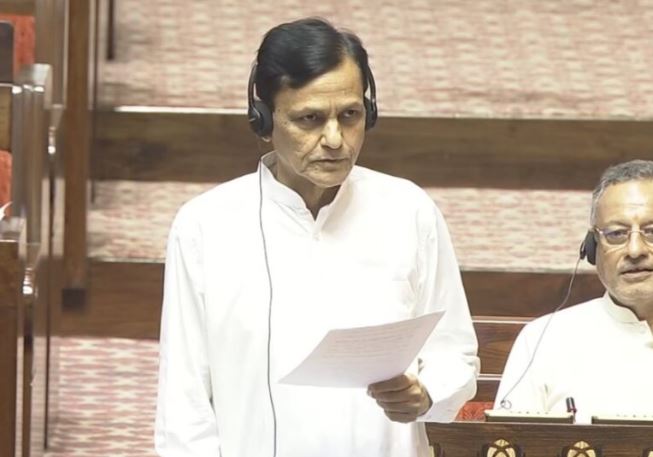
Minister of State for Home Affairs, Nityanand Rai, detailed the alarming statistics, stating that these arrests occurred in various regions of the National Capital Territory between 2024 and June 30, 2026. Police reports reveal that arrested individuals include nationals of Nigerian descent from areas like Khanpur Extension, Deoli, and Mehrauli.
The year-wise breakdown indicates a troubling trend: 40 foreign nationals arrested in 2024, followed by 35 in 2025, and 15 in the first half of 2026. Most seized drugs include heroin, cocaine, and methamphetamine, collectively valued at ₹12.75 crore in 2024, ₹14.27 crore in 2025, and ₹13.50 crore in 2026.
The issue of illegal accommodation has also surfaced, with 103 foreign nationals found residing in rented premises without the mandatory tenant verification checks. In response, action was taken against 63 landlords, highlighting gaps in compliance with local laws. Delhi Police continues to ensure regular tenant verification to maintain safety and order.
In a separate conversation about the government’s stringent stance against drug-related crimes, Rai emphasized the Narcotics Control Bureau’s adoption of a “Zero Tolerance” policy. The agency has shifted towards an intelligence-driven approach to tackle drug trafficking networks, particularly those operating on the darknet and utilizing cryptocurrency.
Cybersecurity experts now investigate darknet-facilitated drug trafficking, a growing concern worldwide. Rai mentioned that the Vision Document on Narcotics Control aims to establish dedicated Darknet and Cryptocurrency Cells within various Anti-Narcotics Task Forces. The use of artificial intelligence and advanced technologies will boost inter-agency cooperation.
Moreover, the NCB is implementing specialized training programs focusing on digital forensics and darknet monitoring in collaboration with the US Drug Enforcement Administration and Rashtriya Raksha University. This forward-thinking approach hopes to dismantle sophisticated cyber-enabled drug trafficking networks.
The roadmap designed by the vision document spans three years and proposes actionable targets under a comprehensive “Whole-of-Government” and “Whole-of-Society” framework. It includes enhancing financial investigations, improving the Narco-Coordination Centre operational protocols, and promoting a drug-free environment within educational institutions.
Furthermore, the plan encompasses the introduction of a 24×7 MANAS national narcotics helpline, underscoring the government’s commitment to combat drug abuse and trafficking. Delhi authorities actively seek community involvement in the mission against drugs.
As Delhi continues to grapple with the drug trafficking menace from foreign nationals, the government remains vigilant with its enhanced strategies to strengthen law enforcement and public awareness initiatives against narcotics.