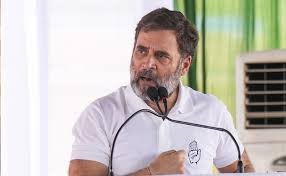
On Tuesday, Congress leader Rahul Gandhi criticized Prime Minister Narendra Modi for allegedly betraying the people of Ladakh. He called for an impartial judicial inquiry into the recent police firing that resulted in the deaths of four protesters, including a notable Kargil war veteran.
Among the deceased was Tsewang Tharchin, remembered as a heroic figure who served in the 1999 Kargil War. Gandhi posted a heartfelt video on X, highlighting the tragic irony of Tharchin’s family legacy: a father who served the nation and a son who died fighting for the rights of Ladakh.
“Father in the army, son in the army – patriotism runs in their blood. Yet the BJP government shot and killed this brave son of the nation, simply because he stood up for Ladakh and his rights,” Gandhi articulated in the emotional post. He continued to emphasize the deep sorrow expressed in Tharchin’s father’s eyes, questioning the state’s treatment of its armed forces.
“We demand that an impartial judicial inquiry be conducted into these killings in Ladakh, and the culprits be given the harshest punishment,” Gandhi asserted, urging Modi to engage with the people instead of allowing violence to dictate the government’s actions. “Modi ji, you have betrayed the people of Ladakh,” he reiterated.
The Congress Party characterized the deaths as outrageous. On Monday, Congress General Secretary Jairam Ramesh expressed his anguish over the loss of Tharchin, who had fearlessly served the nation at the Siachen Glacier. Ramesh stated, “Tsewang Tharchin was protesting peacefully for Sixth Schedule status for Ladakh. It should be a matter of the deepest anguish and outrage that he was killed along with three others in the firing on the agitationists.”
On September 24, the police firing occurred amid protests demanding statehood for Ladakh, which escalated into violence as protesters clashed with security forces. The situation intensified when demonstrators set a local BJP office ablaze and launched stones at the police and Central Reserve Police Force (CRPF).
This tragic incident resulted in the deaths of four individuals and left many others wounded. The community’s outrage over the use of deadly force during peaceful protests has amplified calls for justice. Multiple organizations and political leaders have echoed the demand for a thorough investigation into the matter.
In related developments, climate activist Sonam Wangchuk faced detention under the National Security Act for his involvement in the protests. He was later lodged in Jodhpur jail, raising further concerns about freedom of expression and civil rights in the region.
The tragic events in Ladakh have reignited debates about the region’s political autonomy, rights, and the responsibilities of the government towards its citizens. As protests continue, the demand for justice for the families of the victims remains a focal point among activists and political members alike.