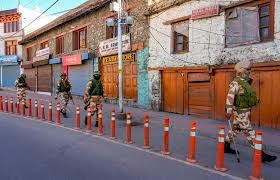

Curfew remains in effect in Leh, Ladakh, for the third consecutive day as officials from the Union Home Ministry evaluate security protocols following severe protests that left four dead and over ninety injured. The unrest began on Wednesday evening after the Leh Apex Body (LAB) initiated a shutdown, seeking statehood and inclusion under the Sixth Schedule of the Constitution.
Authorities confirmed no incidents have transpired since the curfew was imposed. They expressed hope that restrictions might ease later today, allowing essential services to resume. Meanwhile, over 50 individuals face detention related to the protests, sparking concerns about escalating tensions in the region.
The Leh District Magistrate, Romil Singh, confirmed that all government and private educational institutions would close for two days starting Friday, a measure taken to maintain order. Police and paramilitary forces patrol the streets consistently, aiming to uphold peace amid the curfew.
A high-level delegation from the Ministry of Home Affairs arrived in Leh on Thursday to assess the ongoing situation. Their presence underscores the seriousness of the unrest and the government’s commitment to restoring normalcy.
Lieutenant Governor of Ladakh, Kavinder Gupta, criticized the circulation of incendiary videos related to the protests. He stated, “These items are deliberate attempts to disturb the peace in Ladakh. We cannot compromise the future of our youth. Any such incidents will face serious repercussions under a zero-tolerance policy.” His remarks reflect the administration’s firm stance against unrest.
The ongoing protests reflect deep-seated frustrations among the Ladakhi people over their demands for statehood and special provisions to protect their rights and resources. The situation remains under close watch as officials work to prevent the unrest from escalating further.
As Ladakh navigates this challenging period, the government urges citizens to remain calm and cooperative, emphasizing the need for dialogue and resolution over violence. The focus remains on restoring stability in the region while addressing the aspirations of its residents.