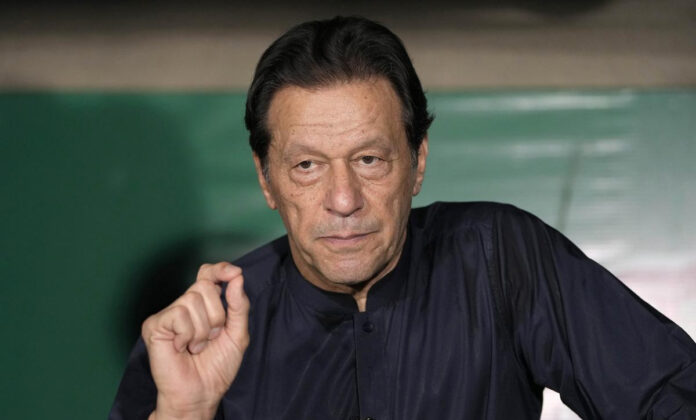

A Pakistani high court is set to hear a crucial plea from jailed former Prime Minister Imran Khan and his wife, Bushra Bibi, on Thursday. The couple is challenging their convictions in the Al-Qadir Trust case, which has drawn significant public attention and controversy.
The Islamabad accountability court sentenced Khan, aged 73, to 14 years and Bushra Bibi to seven years in prison in January 2022. These sentences stemmed from charges led by the National Accountability Bureau (NAB), Pakistan’s anti-corruption watchdog. Both Khan and his wife have consistently denied the allegations against them.
The Islamabad High Court (IHC) was originally scheduled to hear their plea on April 22. However, the hearing was cancelled due to the closure of the Red Zone, prompted by anticipated Iran-US negotiations. This cancellation only added to the public’s anticipation regarding the ongoing legal battles faced by Khan.
On Thursday, a division bench comprising Chief Justice Sarfraz Dogar and Justice Muhammad Asif will preside over the matter, according to the cause list issued by the registrar’s office. Many await this decision, as it could significantly influence the political landscape in Pakistan.
The case revolves around allegations connected to the Al-Qadir Trust, a welfare organization that operates a university just outside Islamabad. Allegedly, the trust served as a front for the receipt of land valued at millions of dollars from a prominent real estate tycoon.
NAB asserts that donations were made to the trust in exchange for Khan’s administration using repatriated funds from the United Kingdom to cover fines for the businessman. This essentially circumvented the proper deposit of such funds into the national treasury, raising serious questions about governance and accountability.
In a recent statement, Khan vehemently denied any wrongdoing, asserting that neither he nor his wife gained financially from the trust or its associated transactions. Their legal team is optimistic about the outcome of the upcoming hearing, underscoring the significance of this case amid a highly charged political atmosphere in the country.
As the legal proceedings unfold, it is crucial for observers to assess the implications of this case on Pakistan’s political future. Many view it as a litmus test for accountability and transparency within the Pakistani political system.
In conclusion, the hearing on Thursday is set to play a pivotal role in determining Khan’s political future and could potentially reshape public perception of his leadership. As Pakistan grapples with economic challenges and political dividedness, the outcome of this case remains a focal point.