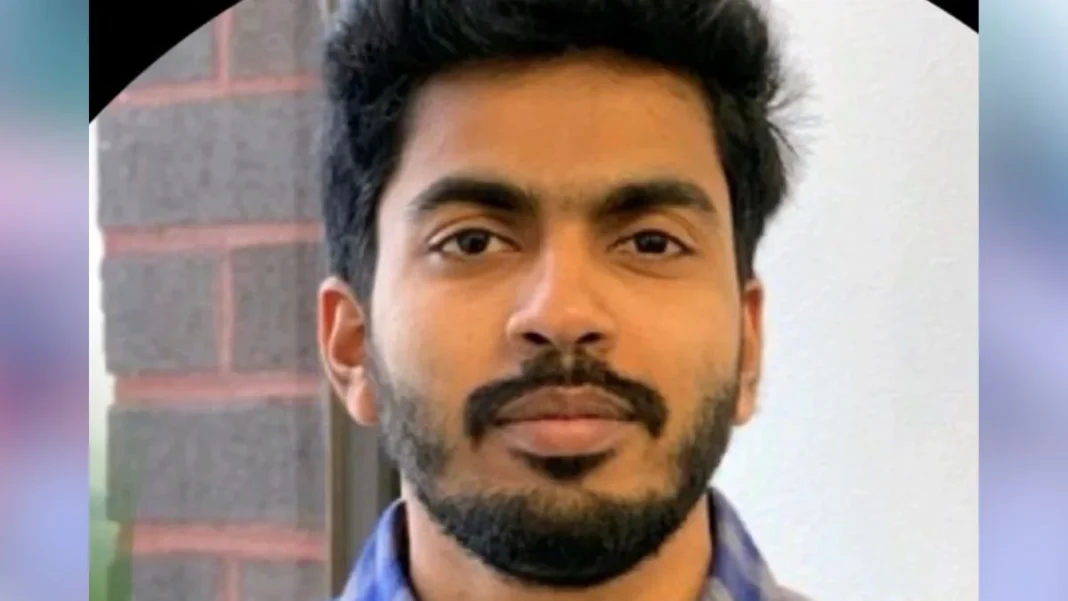
Mohammed Nizamuddin, a 30-year-old Indian tech professional from Mahabubnagar, Telangana, was tragically shot dead by police in Santa Clara, California on September 3. The incident unfolded following a violent altercation with his roommate over a contentious issue: an air conditioning unit.
According to reports, the Santa Clara Police Department (SCPD) responded to a 911 dispatch concerning a stabbing. Upon arrival, officers discovered Nizamuddin holding a knife and restraining his injured roommate in their shared residence.
The scenario escalated: police instructed both individuals to show their hands. While the roommate complied, Nizamuddin reportedly failed to do so. This lack of compliance led the officers to open fire, resulting in Nizamuddin being shot multiple times.
A family member expressed sorrow over the incident, stating, “When the police entered the room, they asked the occupants to show their hands. One boy complied; the other did not. The police then fired four rounds, and the child was shot. It is extremely regrettable that no proper inquiry took place and the shooting happened so quickly.”
Family’s Wishes for Justice and Inquiry
In the aftermath of the shooting, Nizamuddin’s father, Mohammed Hasnuddin, has reached out to External Affairs Minister S. Jaishankar, seeking assistance from the Indian Embassy to repatriate his son’s remains back to Mahabubnagar.
Hasnuddin reported that he only learned of his son’s death on September 18. He conveyed his distress, mentioning that Nizamuddin’s body has been held at a hospital in Santa Clara. The father remains confused about the exact reasons for the police’s deadly response.
While the SCPD is currently investigating the circumstances surrounding the shooting, family members are raising concerns of racial discrimination. They demand a thorough examination into the event, believing that bias may have influenced the police’s actions.
Nizamuddin’s Struggles Prior to the Incident
Adding complexity to this tragic situation is a viral LinkedIn post made by Nizamuddin weeks before his death. In it, he boldly discussed his experiences with racial harassment, wage fraud, and wrongful termination in the United States.
In his poignant message, Nizamuddin described his suffering, stating, “I have been a victim of racial hatred, racial discrimination, racial harassment, torture, wage-fraud, wrongful termination, and obstruction of justice.” He concluded by condemning what he perceived as a “racist white American mentality,” calling for accountability for those responsible for corporate oppression.
Cultural Impact and Community Response
This tragic case has sparked broader discussions about how racial bias can permeate interactions between police and minority communities. Cases like Nizamuddin’s highlight the urgent need for open dialogues on racism and police conduct, especially in the context of the tech industry, where diversity is crucial.
As calls for justice grow louder, the case not only affects Nizamuddin’s family but resonates deeply within communities who advocate against discrimination. Many are rallying around the need for reform in law enforcement practices to ensure equitable treatment for all individuals, regardless of their background.
As the investigation continues, many hope Nizamuddin’s story will not only bring closure to his family but also encourage critical changes in policy and societal attitudes towards marginalized groups.