
A total of 15,661 cases of human-wildlife conflict were recorded across Jammu and Kashmir between 2023 and 2025, resulting in 32 deaths and 350 injuries. Jammu district alone accounted for nearly 18 per cent of the total incidents.
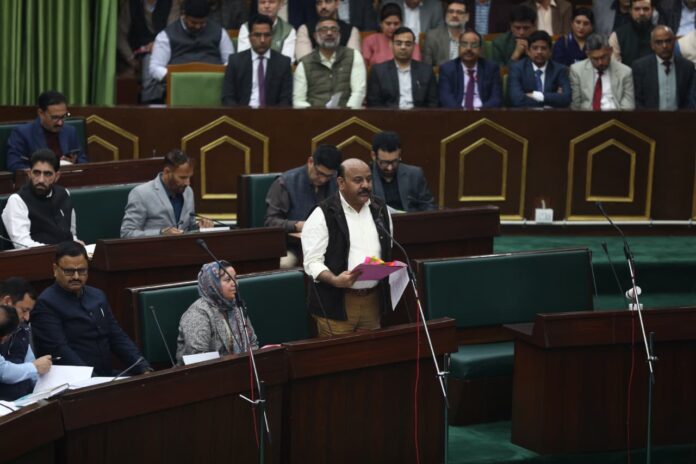
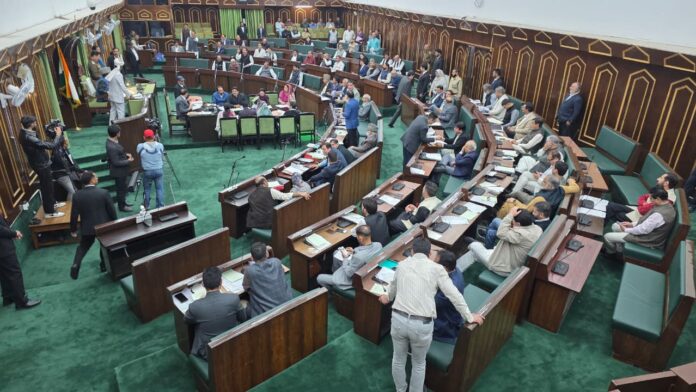
Forest Minister Javed Rana provided this information in the Assembly on Tuesday in a written reply to a question by National Conference (NC) MLA Mubarak Gul.
9,301 Cases in 2023–24
The minister said that in 2023–24 alone, 9,301 cases were registered, leading to 137 injuries and 18 deaths.
District-wise data showed that Jammu reported the highest number of cases at 1,444, followed by Kupwara (1,173), Kishtwar (998), Baramulla (950), Doda (826), and Ramban (756). Kupwara recorded four deaths during the year, while Doda and Anantnag reported three deaths each.
6,360 Cases So Far in 2024–25
For 2024–25, the government reported 6,360 cases so far, resulting in 213 injuries and 14 deaths.
Jammu district again topped the list with 1,341 cases, followed by Ramban (686), Kishtwar (673), Anantnag (637), and Doda (609). Pulwama reported 30 injuries, while Anantnag recorded the highest number of injuries at 34 during the current fiscal.
In terms of fatalities for 2024–25, Doda and Kupwara reported three deaths each, while Anantnag recorded two deaths.
Age Profile and Mitigation Measures
The minister informed the House that in the Jammu region, the age profile of affected persons ranges between 15 and 60 years, while in the Kashmir region, it ranges from 4 to 70 years.
The government stated that Human–Wildlife Conflict mitigation measures are being integrated into development planning to ensure long-term coexistence. Replying to a separate query, the minister said incidents of human-wildlife conflict have not increased significantly in recent years.
As part of mitigation efforts, 42 control rooms have been established across the Union Territory to ensure round-the-clock response to wildlife emergencies. These control rooms are equipped with tranquilising guns, medicines, capture nets, cages, rescue equipment, and vehicles, and are manned by trained personnel.
The minister added that regular patrolling, surveillance, and deployment of quick response teams are being carried out at identified hotspots. Warning signages and other preventive measures are also being installed where necessary.
Long-term interventions, including scientific zoning of conflict hotspots, habitat improvement, and protection of wildlife corridors, are also underway.
The government further informed that several compensation cases remain pending for disbursement, with Kupwara (46), Anantnag (41), and Baramulla (28) among the districts with the highest number of pending cases.